

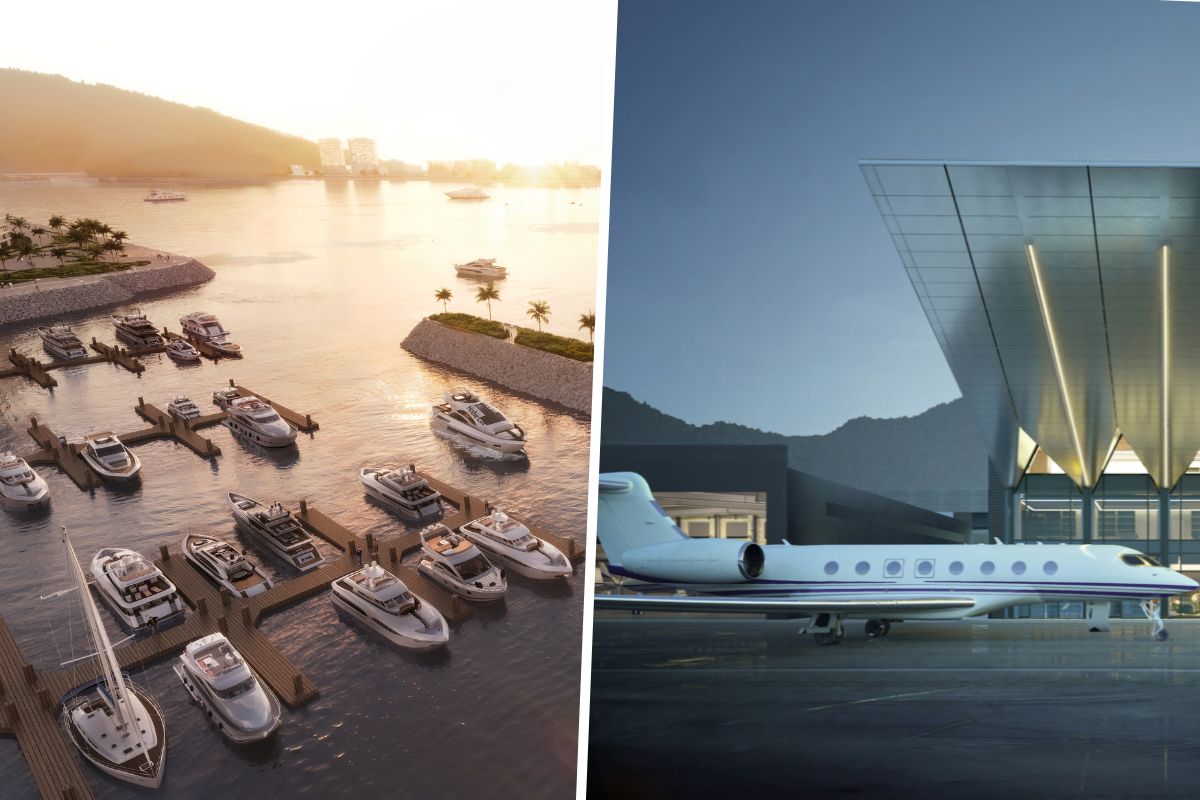

Travellers arriving at Hong Kong International Airport (HKIA) could eventually continue their journeys by yacht from SKYTOPIA. The idea was outlined by Airport Authority Hong Kong at the Super Terminal Expo on 4 November 2026, alongside a proposed minibus link to Tung Chung.
Cissy Chan, the authority’s executive director of commercial, shared details of the development near the airport. The announcements put more focus on how people could move around and use SKYTOPIA, beyond the attractions previously announced for the waterfront.
Sea-Air Sightseeing To Combine Flights And Yacht Journeys
The sea-air sightseeing proposal would let passengers arrive by plane before setting off on yacht journeys to destinations beyond Hong Kong. No routes, booking arrangements or launch date have been announced for these proposed journeys.
It builds on the authority’s earlier Yacht Bay plans, which include a marina with 500 berths. Around half could accommodate superyachts.
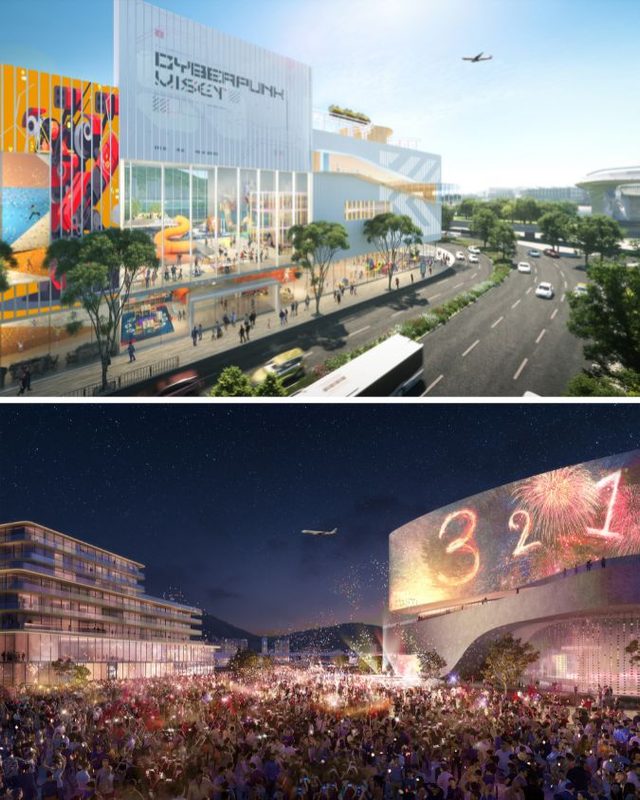
The wider entertainment and travel hub will also include waterfront promenades, cafés, shops and markets. About 100 hectares of shallow water are earmarked for recreation. These attractions were announced before; the latest development is the more specific proposal to connect flights with yacht travel.
Eight-Minute Minibus Link And New Art-Viewing Plans
For visitors travelling by land, a self-driving minibus service is planned between Tung Chung and SKYTOPIA. The journey would take around eight minutes, with the service expected to begin in 2028.
The Airport Authority has also been developing a dedicated 3.8km route for autonomous vehicles linking the airport area with Tung Chung town centre. The wider road project has a separate 2029 opening target.
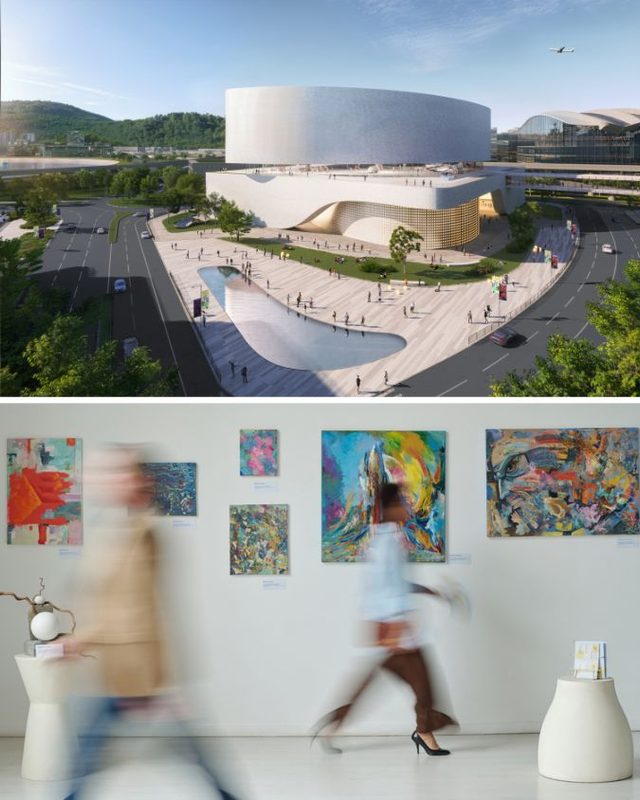
The authority also outlined plans to connect SKYTOPIA’s art-storage facility directly to a VIP lounge. This could allow transit passengers to view artworks without clearing immigration.
The storage facility itself is due to open in early 2027. The broader development is expected to open in phases from 2028, with additional projects previously planned through 2032.
Header image credits: HKIA