


The Hong Kong Museum of History in Tsim Sha Tsui has opened its revamped permanent exhibition, ‘Hong Kong Story’, with free admission. The updated display spans around 6,000 years across 10 galleries and includes more than 2,800 exhibits, combining artefacts with historic photos, videos and interactive multimedia.
Designed for a broad audience, including families, the exhibition uses immersive sets and clear wayfinding to guide visitors through four core chapters: Roots of Culture, East Meets West, Coalition Against Japanese Aggression, and Hong Kong as a Global Metropolis.
The layout blends chronological storytelling with thematic sections to show Hong Kong’s development from prehistoric times to the present day.
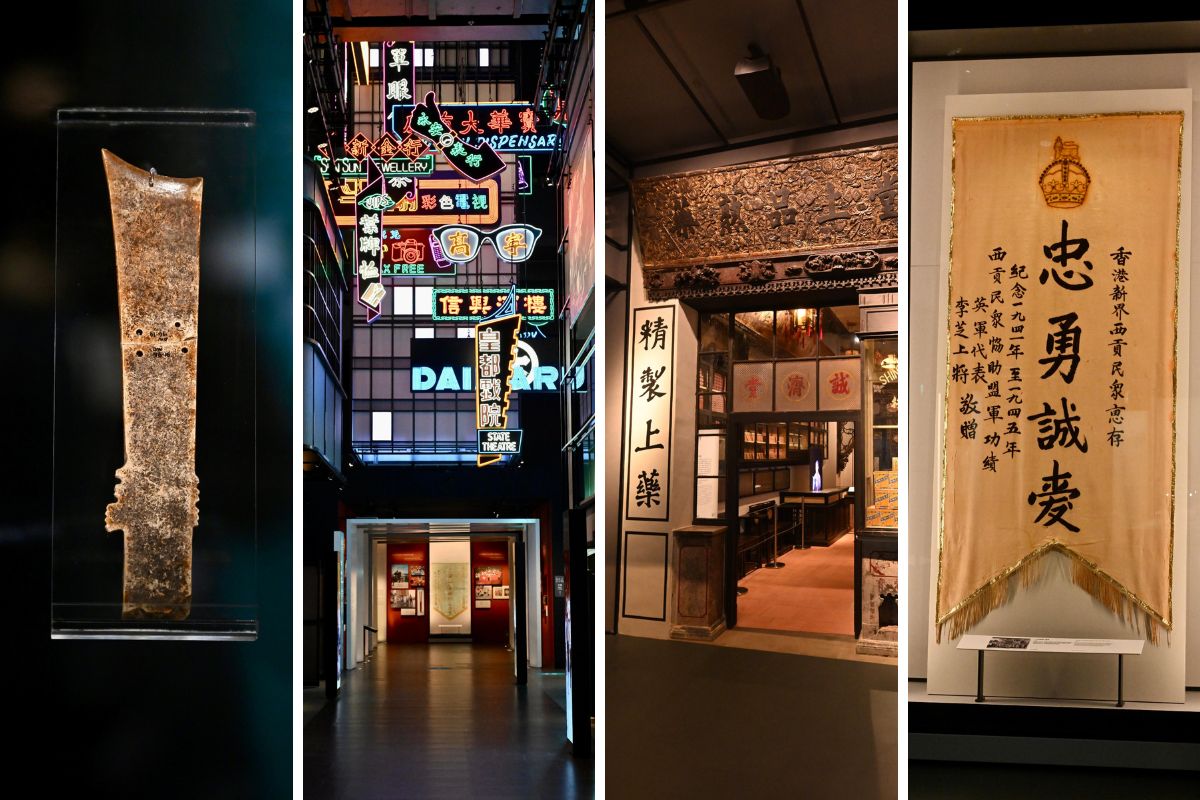
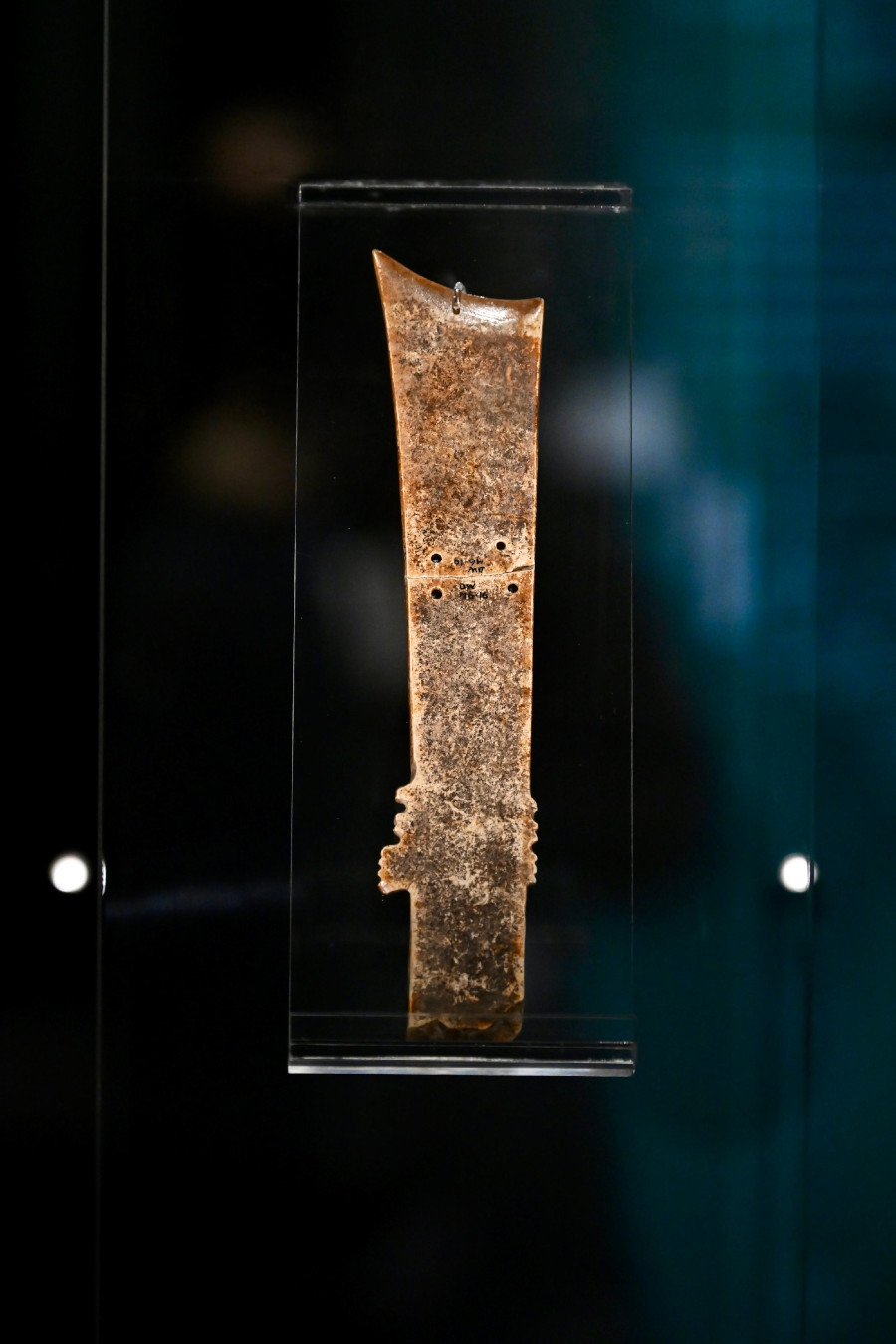
Among the earliest highlights is the National-Grade “Yazhang” (Ceremonial Blade), Unearthed At Tai Wan, Lamma Island, presented alongside other archaeological finds that trace long-standing links to Chinese civilisation.
The galleries then move into moments of political and social change, including Qing-era references such as the Statue Of Lin Zexu, An Imperial Commissioner Of The Qing Dynasty, and the Boundary Stone Of The Li House Bearing An Inscription.
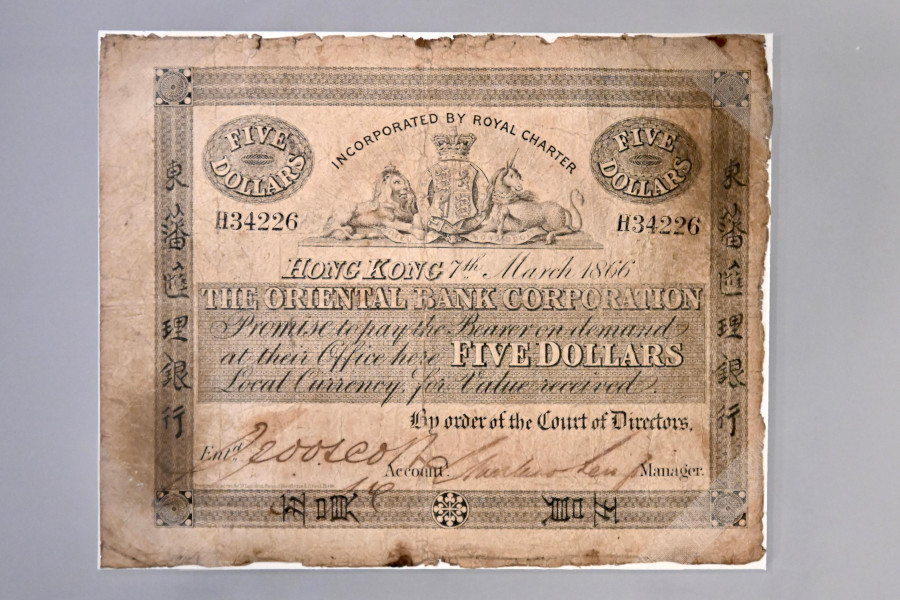
Another featured object is the Hong Kong Banknote Issued By The Oriental Bank Corporation In The 1860s, included within the section covering trade and early modern city life.
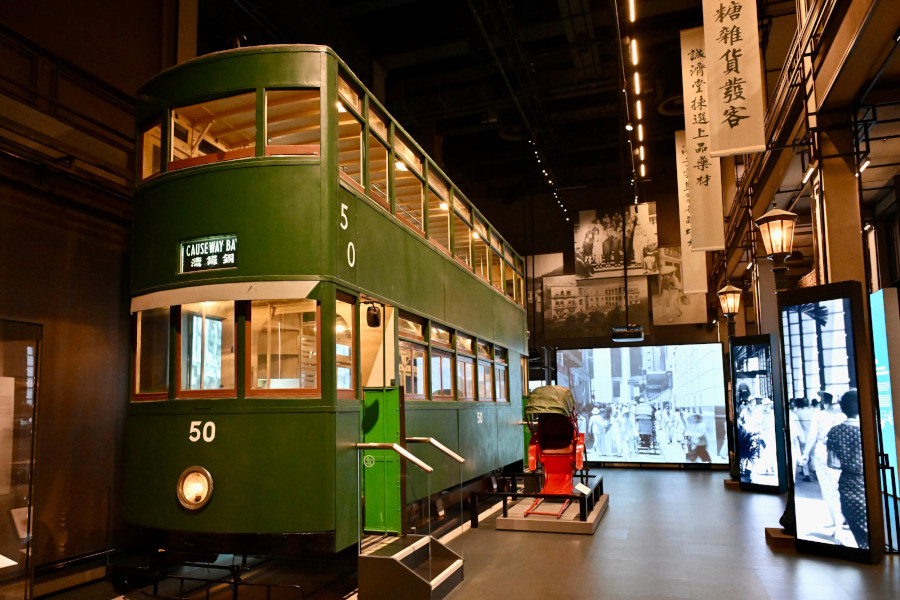
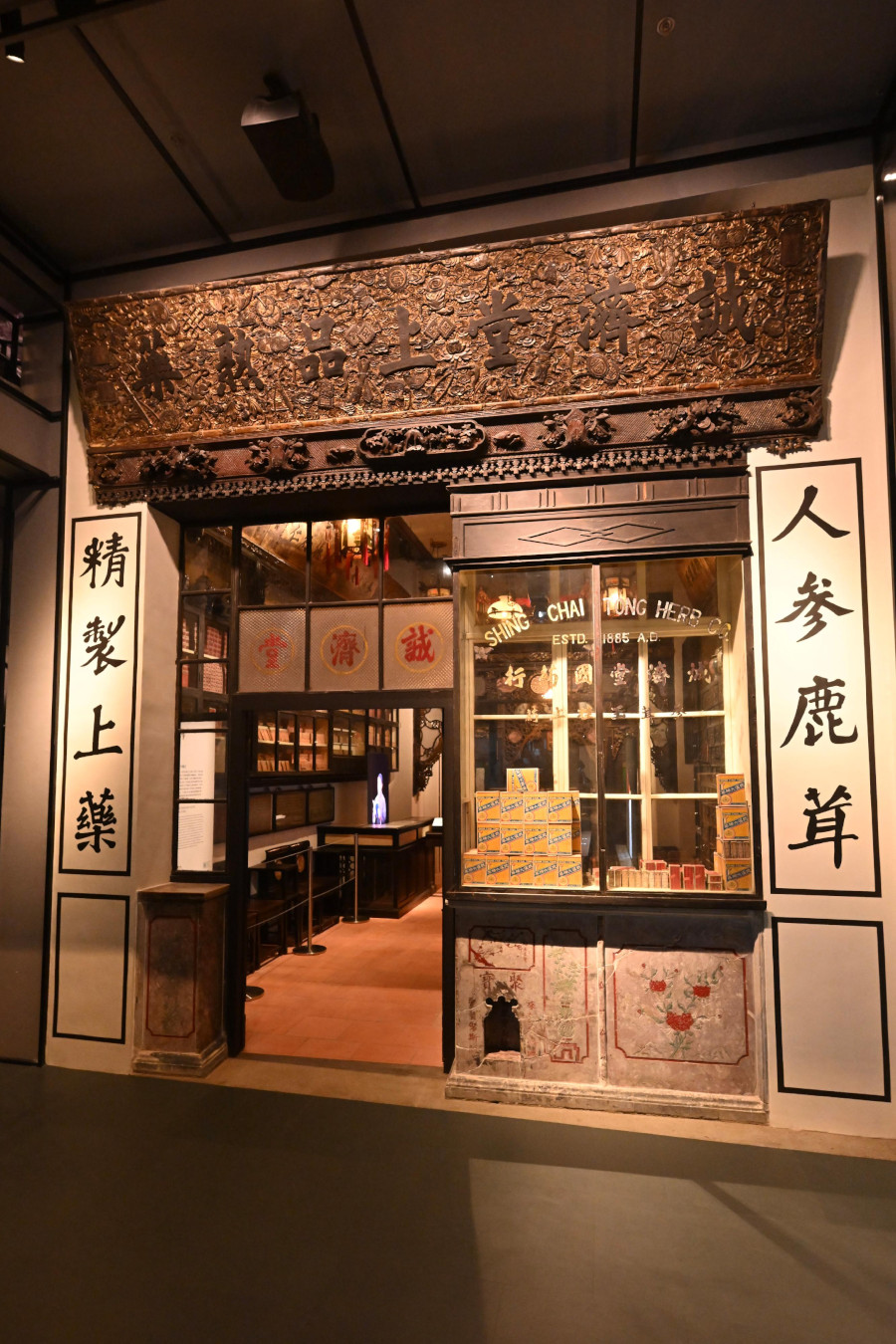
Recreated environments are a major feature of the revamped exhibition. Visitors can walk through a Double-Decker Tram And A Street Scene From The 1930s At The Exhibition Gallery, then step into the Recreated Shing Chai Tong Chinese Medicine Shop, which reflects neighbourhood commerce from an earlier era.
Later rooms focus on post-war living and popular culture, displaying a Green Telephone Booth From The 1960s–1970s and Vacuum Flasks Made In Hong Kong In The 1960s.
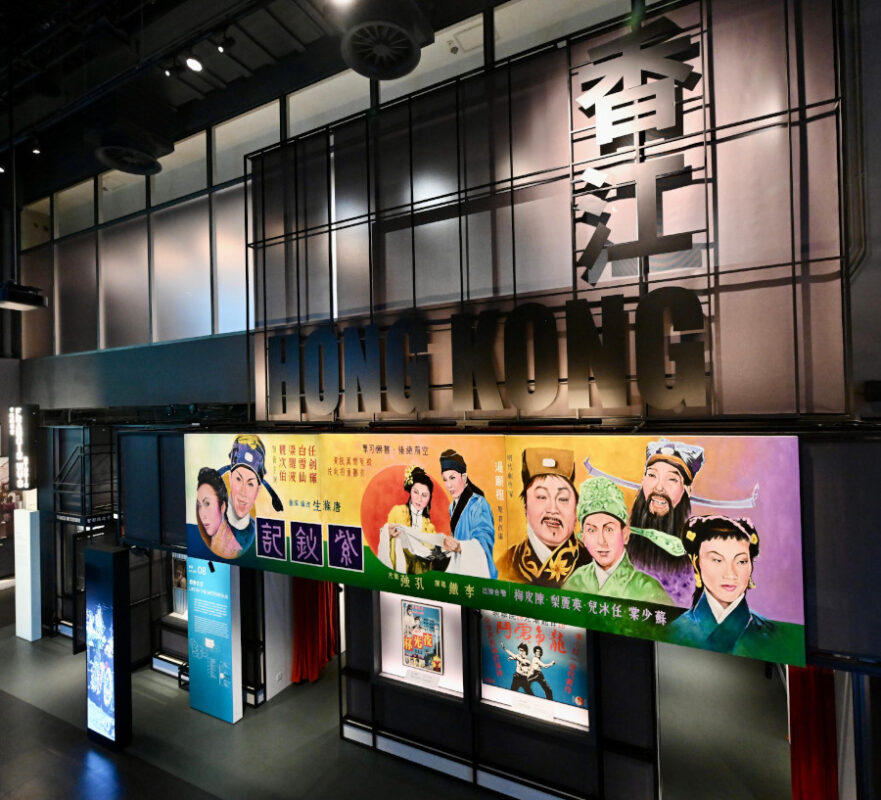
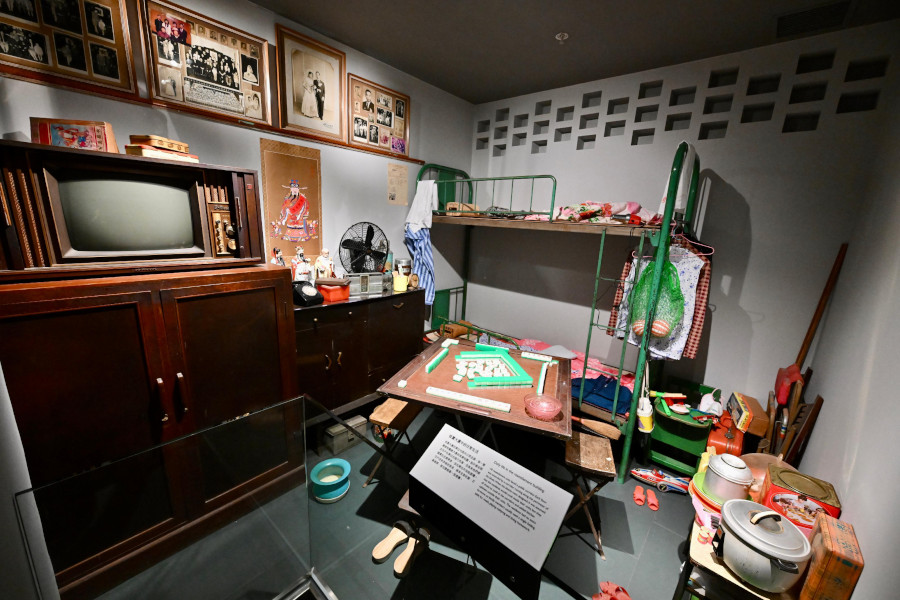
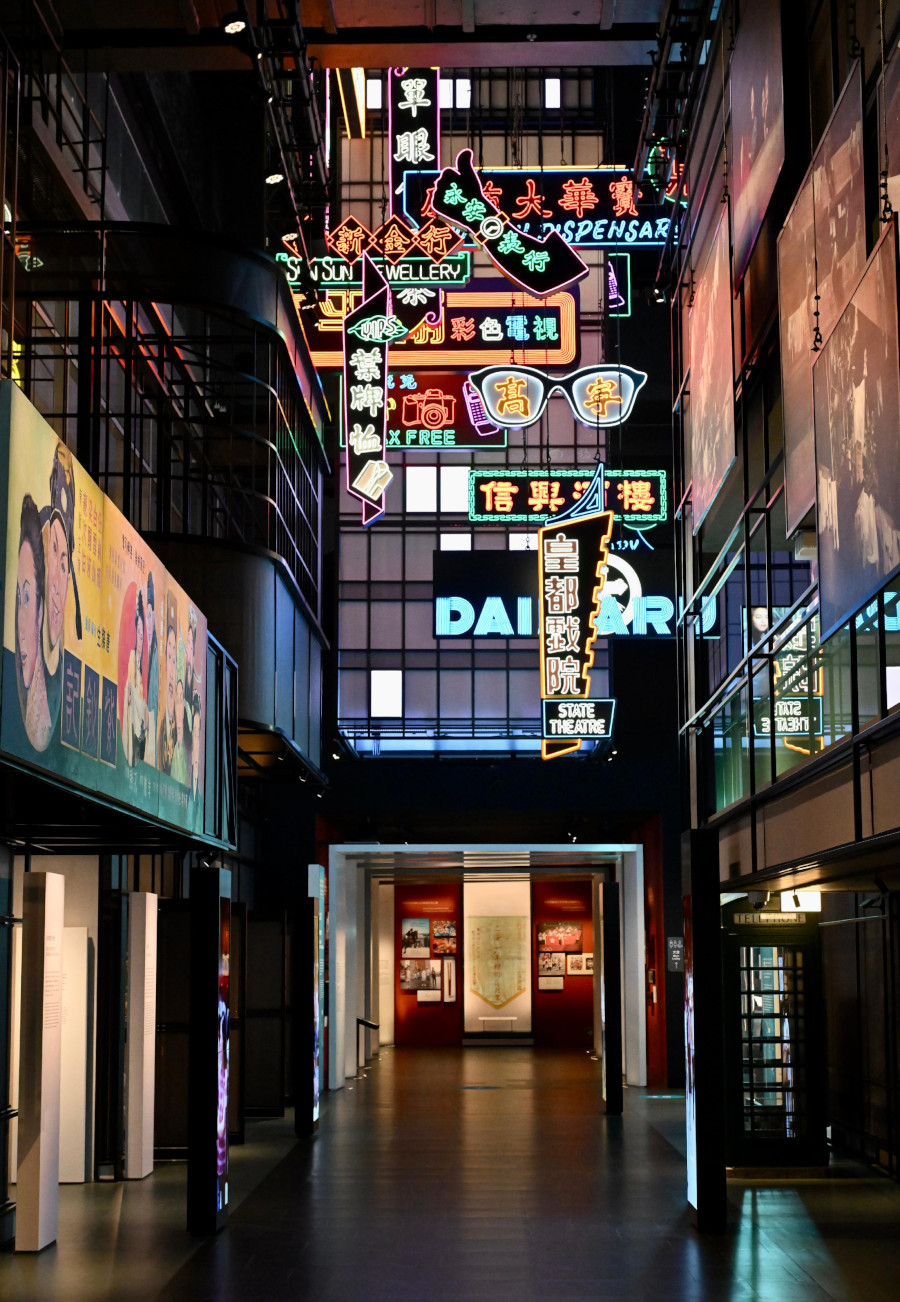
The exhibition also includes a Reconstructed 1970s Cinema Facade, a Meticulously Recreated 1970s Resettlement Estate Unit, and a Visual Reconstruction Imitating A Historic Street Featuring Neon Signs From The 1970s.
The wartime chapter features the Banner Bearing The Inscription Of “Loyalty, Courage, Sincerity, And Love” In 1947, shown within a wider narrative of resistance and solidarity.
Audio guides are available in Cantonese, Putonghua and English. Public guided tours start from 9 May on a first-come, first-served basis.
Header Image Credit: Hong Kong Museum of History