

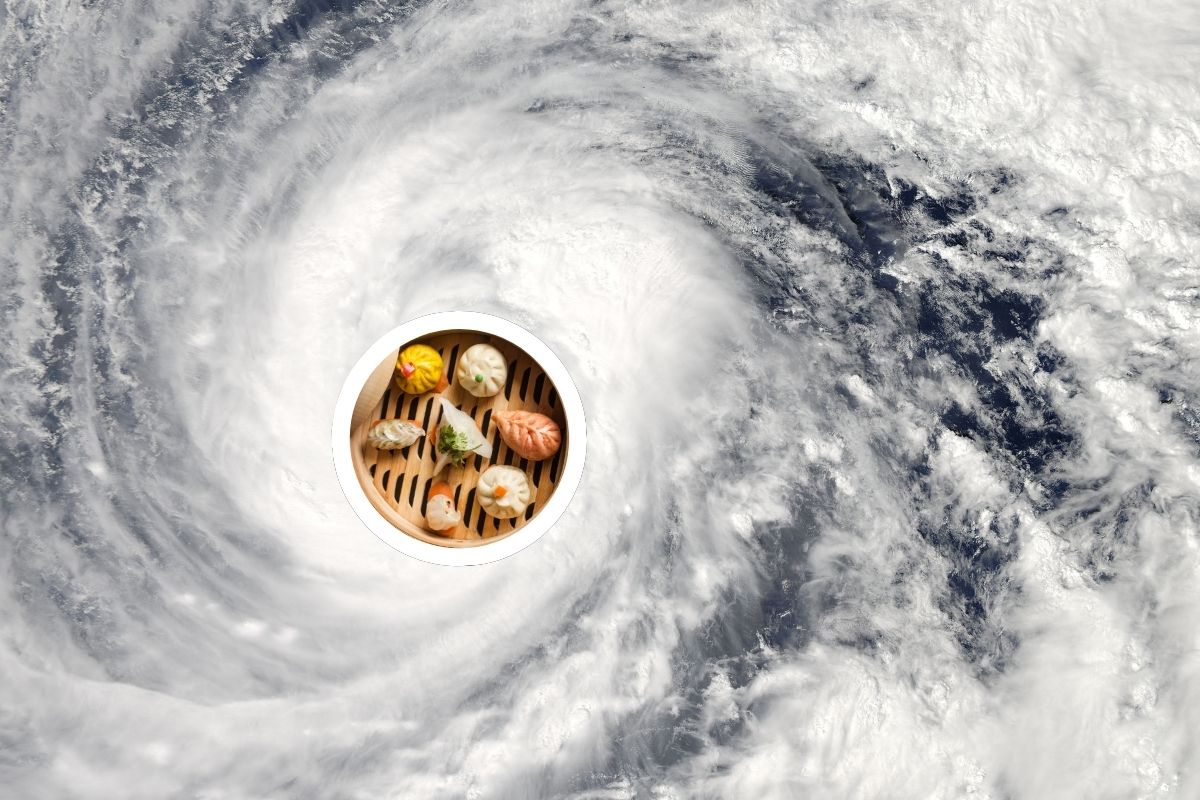

The Hong Kong Observatory (HKO) said “Dim-sum” is among nine additions to the official naming list for tropical cyclones in the western North Pacific and the South China Sea.
The names were endorsed at the ESCAP/WMO Typhoon Committee’s 58th session in Jeju, South Korea.
9 New Names Added to The Official List
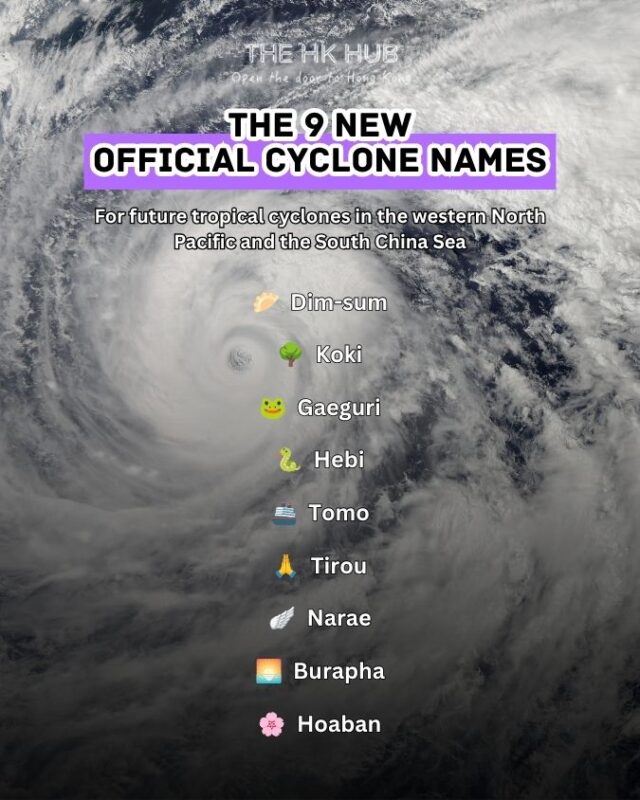
The name Dim-sum is submitted by Hong Kong and refers to the city’s well-known cuisine. It replaces Man-yi, which was retired after the 2024 storm caused major casualties.
The other new names come from different Typhoon Committee members and include: Koki, meaning a large tree in Cambodia; Gaeguri, meaning frog in North Korea; Hebi, meaning snake in Japan; Tomo, meaning the stern of a boat in Japan; Tirou, a greeting in Chuukese culture from Micronesia; Narae, meaning the wing of a bird or an insect in South Korea; Burapha, meaning east in Thailand; and Hoaban, a local flowering legume plant in Vietnam.
Under the committee’s practice, storm names can be retired and replaced when cyclones cause serious casualties or major economic losses, while “Jebi” was removed separately because it carried an inappropriate meaning in other languages.
Monsoon Season Starts as HKO Warns of Heat and 4–7 Typhoons
The naming update comes as Hong Kong moves deeper into its summer rainy period, when the southwest monsoon typically brings warm, moist air and can help fuel heavy rain.
Earlier this year, the Hong Kong Observatory forecast that around four to seven tropical cyclones could pass within 500 kilometres of the city in 2026, which it considers near normal. The cyclone season is expected to start in June or later and end in October or earlier. Even if total yearly rainfall stays close to average, HKO said residents should still expect rainstorms and localised heavy rain during the season.
HKO also warned summer is likely to be hotter than usual, with a high chance Hong Kong could rank among its 10 warmest years on record. Officials added that a possible El Niño developing in the second half of the year is one factor being considered in the outlook.
Image credits: Hong Kong observatory